The Post-Op Rotator Cuff Repair Journey: What to Expect and How Physio Can Help /by Sean Fuller, Musculoskeletal Physiotherapist
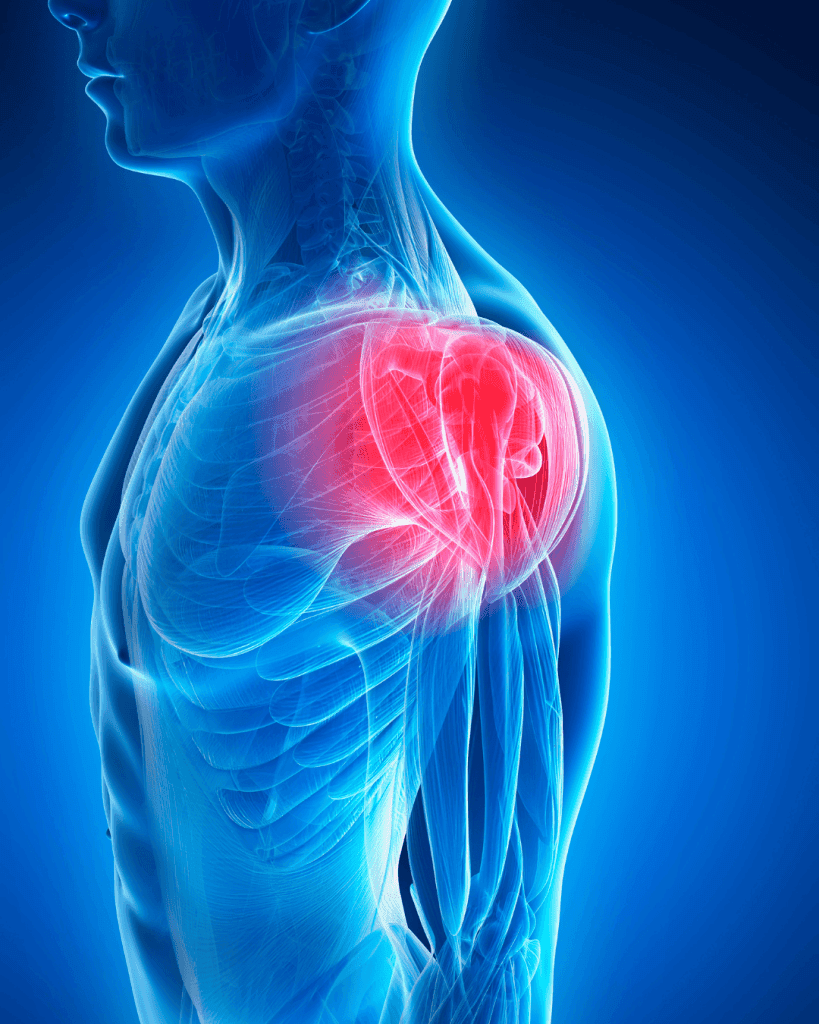
Having a rotator cuff repair can feel like a big step. Whether you are preparing for surgery, have just had your operation, or are supporting a family member through recovery, it is normal to wonder about what to expect in the post op period.
Importantly – a rotator cuff repair is not a small, simple operation. It is a tendon repair, and unfortunately, tendons are slow healing structures that need a longer time to heal than other tissues.
Here is a guide to the three stages that we work through on the journey to full recovery.
Stage 1 – Weeks 0-6 – Protection, comfort and confidence
In the early phase, the general rule is that you will be in a sling for about six weeks. It is a bulky sling, with a cushion between your arm and body to help unload the repaired tendon. Yes – this is commonly frustrating and you are happy to see the end of the sling.
Now everyone is different, and your age, the size of the tear, the type of surgery, your general health and your surgeon’s instructions can all influence your post op restrictions and rules. The six weeks in the sling is the standard.
Many people find this stage frustrating because they are used to doing things independently. Simple tasks such as showering, dressing, cooking and sleeping can feel awkward. Family members often play an important role here by helping with daily activities, transport and reassurance.
You are able to do very gentle exercises, but nothing that puts load through that repaired tendon – it has just started the healing process. You will be given some exercises by the physio in hospital and should continue with these.
Physiotherapy in the clinic starts and we work on restoring your shoulder mobility and keeping all of the other tissues around the shoulder and neck moving normally as well as progressing and guiding you through the suitable exercises.
Your physiotherapist can help you understand:
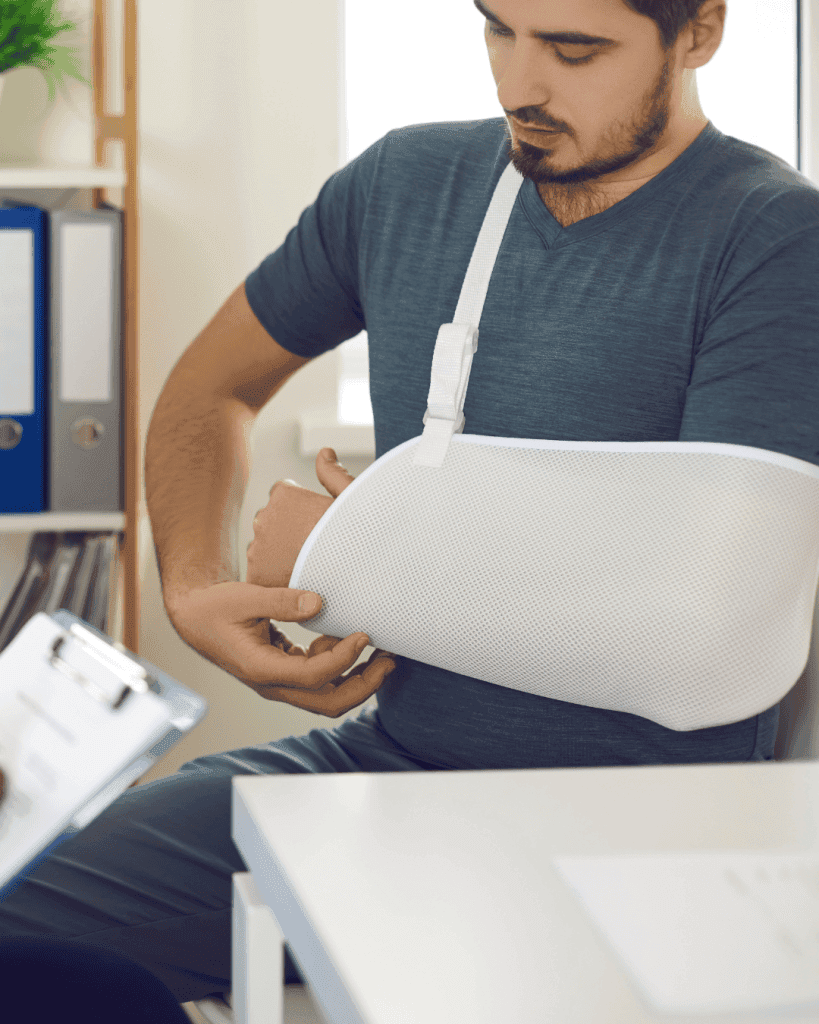
• How to use your sling correctly
• Comfortable positions for rest and sleep
• Ways to manage pain and swelling
• What movements to avoid early on
• How to keep the rest of your body moving safely
• When to check in with your surgeon or GP if something does not feel right
The goal early on is not to rush. It is to protect the repair, reduce discomfort, and help you feel more confident with day-to-day life.
Stage 2 – Six Weeks to Three Months – Regaining full movement
The tendon has healed enough to allow you to start moving the arm actively – that is under its own power.
But, and this is very critical – not against any load.
So until the three month mark, our goal is to regain normal mobility in the shoulder with gentle loading onto the tendon that is within its capacity.
Physiotherapy exercises are progressed and hands on treatment is all aimed at getting your shoulder moving normally.
All the while, we are respecting any pain that you may have. It is very much like Goldilocks – not too hot, not too cold – and your physio is your guide with this.
Stage 3 – Three months onwards – Restoring strength and function
This is where we can really get going. Slowly at first – with care and respect for any residual pain, but progressively building up strength in the muscle and loading the tendon to make it strong again.
This phase is where having a good understanding of goals is critical. We need to rehab you back to what is important for you – and it is always varied.
Over the years – I’ve rehabilitated swimmers, tree loppers, golfers, plasterers and basketballers – and everyone in between, and they all have different demands of their shoulder. This is where a bespoke physio program is just so important.
Typically, your shoulder will start to feel ‘good’ at around 6-9 months post op. Yes, this is a long time, and it will probably take until about 12 months to get maximum recovery and function in your shoulder.
So, if you are planning surgery (we can help with the ‘prehab’) or have recently had a rotator cuff repair, our team at Midland Physiotherapy can help you understand what to expect and support you through your recovery journey.
Book an appointment with Midland Physiotherapy to get personalised guidance for your post-op shoulder recovery.
Also check out my blog – FAQ’s After a Rotator Cuff Repair – for many of the questions that my post op patients ask me during our consults.