FAQ’s for Rotator Cuff Surgery – What I get asked by most of my patients /by Sean Fuller, Musculoskeletal Physiotherapist
I look after many patients following their Rotator Cuff Repair Surgery and so often get asked the same questions. Stuff that is important to know and maybe some questions that you didn’t even think about until the time came. So here goes…
How long will I need to wear a sling?
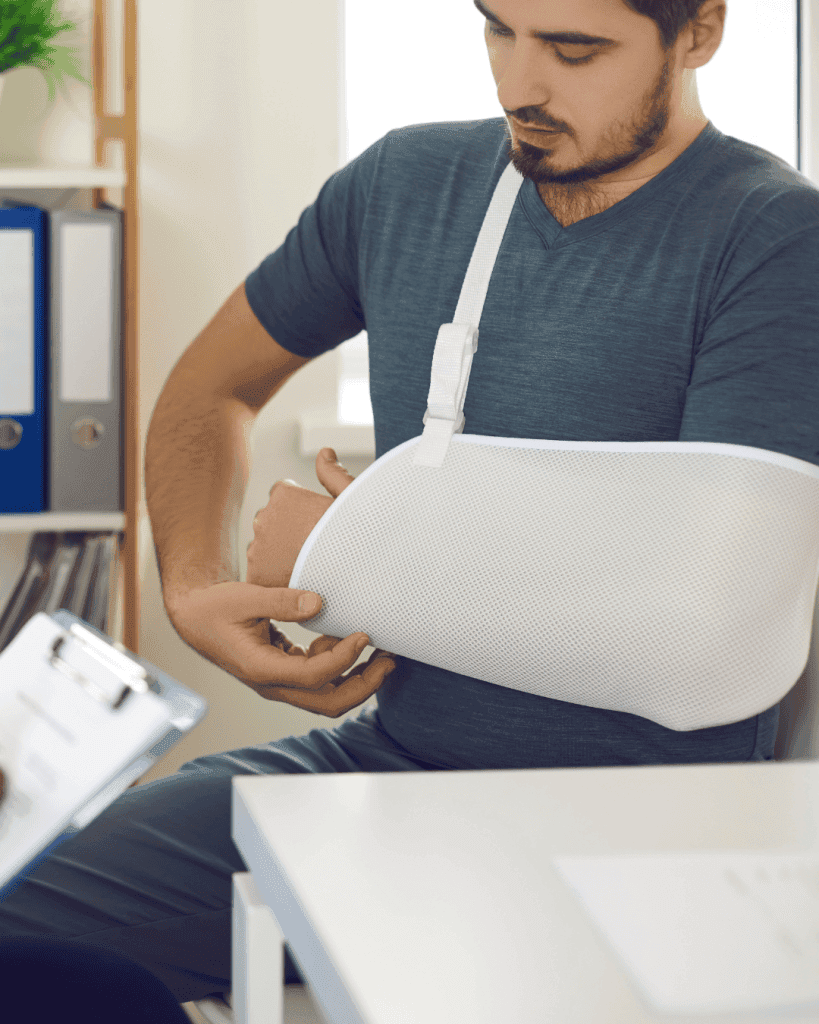
Most people will wear a sling for around 4–6 weeks, although this can vary depending on the size of the tear, the type of repair, and your surgeon’s instructions. Some larger or more complex repairs may require the sling for longer.
While the sling can be frustrating, it plays an important role in protecting the repaired tendon while it begins to heal. Your surgeon will let you know when it is safe to gradually stop using it. Tendon doesn’t have much blood supply to it, and as a result is a slow healing structure. You can’t hurry up this process and need to strictly protect the repair in the early stages.
Your physiotherapist will guide you through each stage of recovery, helping you understand when it is appropriate to start moving your shoulder and when you can safely progress to more functional activities.
How much pain should I expect after surgery?
It is normal to experience pain and discomfort after rotator cuff repair, particularly during the first few days. Most people notice that their pain gradually settles over the following weeks, although some discomfort with certain movements can continue for several months as the shoulder heals.
Everyone’s experience is different. Factors such as the size of the tear, the type of surgery, your general health and your individual pain response all play a role. Some people have surprisingly low levels of pain, but don’t use this as an excuse to start moving the shoulder before it is safe and ready. Some people have quite high levels of pain that need medications for many weeks. Everyone is different.
Following your surgeon’s advice about pain medication, using ice if recommended and attending physiotherapy can all help make your recovery more comfortable. If your pain is getting worse rather than better, or you have concerns about your recovery, it is important to contact your surgeon or healthcare team.
What is the best way to sleep after rotator cuff repair?
Sleeping is one of the biggest challenges after shoulder surgery, especially during the first few weeks.
Many people find it more comfortable to sleep on their back with their upper body slightly elevated using pillows or a recliner chair. This position can help reduce pressure on the shoulder and make it easier to get in and out of bed.
If you normally sleep on your side, you will usually need to avoid lying on the operated shoulder until this is comfortable – this can take 2-3 months, and for some people it is up to six months. Some people find placing a pillow under the operated arm while wearing their sling provides additional support and comfort.
It may take a little time to find the position that works best for you, so don’t be discouraged if your sleep is disrupted early on. This is a common part of recovery and usually improves as your shoulder heals.
What happens if I accidentally move my arm?
Firstly, don’t panic. Most people accidentally move their arm or briefly forget about their shoulder at some stage during recovery. A small, unexpected movement does not usually mean you have damaged the repair.
You may notice a temporary increase in pain or soreness, but this often settles over the next day or two.
If you experience a significant fall, a sudden force through the arm, severe ongoing pain, a marked loss of movement, or you are concerned something doesn’t feel right, contact your surgeon or physiotherapist for advice.
Unfortunately, we do see some patients who rupture their repairs in the early stages – in my experience, these have only come from heavy forces such as falls.
When can I shower normally?
You should always follow your surgeon’s instructions regarding wound care and when it is safe to get your incision wet. In the first few days after surgery, you may need to keep your dressings dry or use a waterproof covering until your surgeon advises otherwise.
Once you have been given the all-clear to shower, it may still take a little time before showering feels easy again. The sling, limited movement and discomfort can make everyday tasks more challenging than you expect.
Some practical tips include:
• Have everything you need within easy reach before you get into the shower.
• If your surgeon has advised, you can remove your sling for showering, keep your operated arm relaxed by your side and avoid actively lifting or reaching with it.
• Consider using a shower chair or stool if you feel unsteady or become tired easily.
• Use a pump bottle for shampoo and body wash rather than lifting heavier containers.
• A long-handled sponge can make it easier to wash without reaching too far.
• Pat your shoulder dry gently rather than rubbing it with a towel.
• Wear loose-fitting clothing with front openings, such as button-up shirts or zip-up jumpers, as these are often easier to put on in the early weeks.
• If possible, have a family member or friend nearby the first few times you shower in case you need assistance.
Will my shoulder ever be 100% normal again?
This is one of the most common questions after rotator cuff repair, and the answer is that it varies from person to person.
Many people return to the activities they enjoy with significantly less pain and better shoulder function than they had before surgery. For some, the shoulder may eventually feel almost normal, while others may notice occasional stiffness, weakness or discomfort with certain movements, particularly after heavier activity.
Recovery depends on many factors, including the size of the original tear, the quality of the tendon, how well it heals, your general health, and your commitment to rehabilitation.
The good news is that shoulder recovery continues for many months. It is common to keep noticing improvements in strength, movement and confidence for up to 12 months after surgery.
Rather than aiming for a “perfect” shoulder, the focus is on helping you get back to the activities that are important to you—whether that is playing sport, returning to work, gardening, lifting your grandchildren, or simply being able to move without pain getting in the way.
When can I return to golf, tennis, swimming or the gym?
Returning to the activities you enjoy is often one of the biggest motivations for having rotator cuff repair surgery. While it can be tempting to get back as soon as you start feeling better, your tendon needs time to heal before it can safely cope with higher loads.
As a general guide:
• Around 3 months, many people are beginning more strengthening and functional rehabilitation, but are not yet ready to return to unrestricted sport.
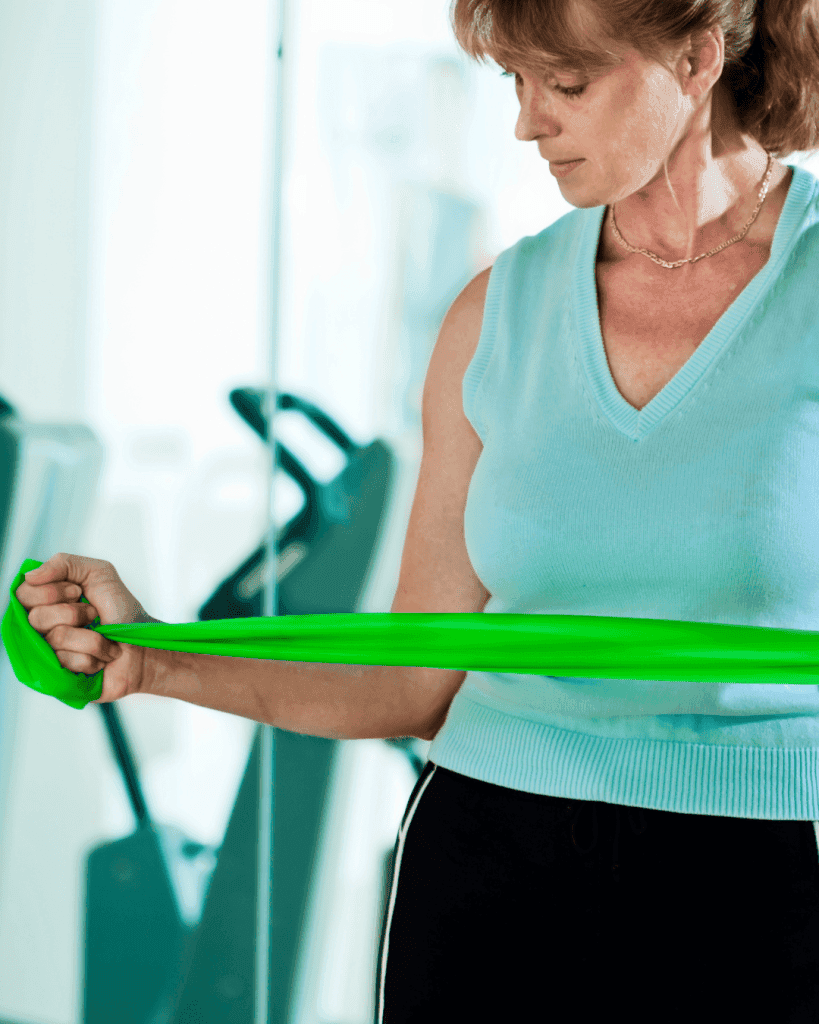
• Between 4–6 months, some people may gradually return to lower-demand activities such as putting in golf, light gym exercises or gentle swimming drills, provided they have regained good movement, strength and shoulder control.
• Between 6–9 months, many people can begin returning to more demanding activities such as full golf swings, recreational tennis, lap swimming or a broader gym program. This is usually a gradual process rather than returning all at once.
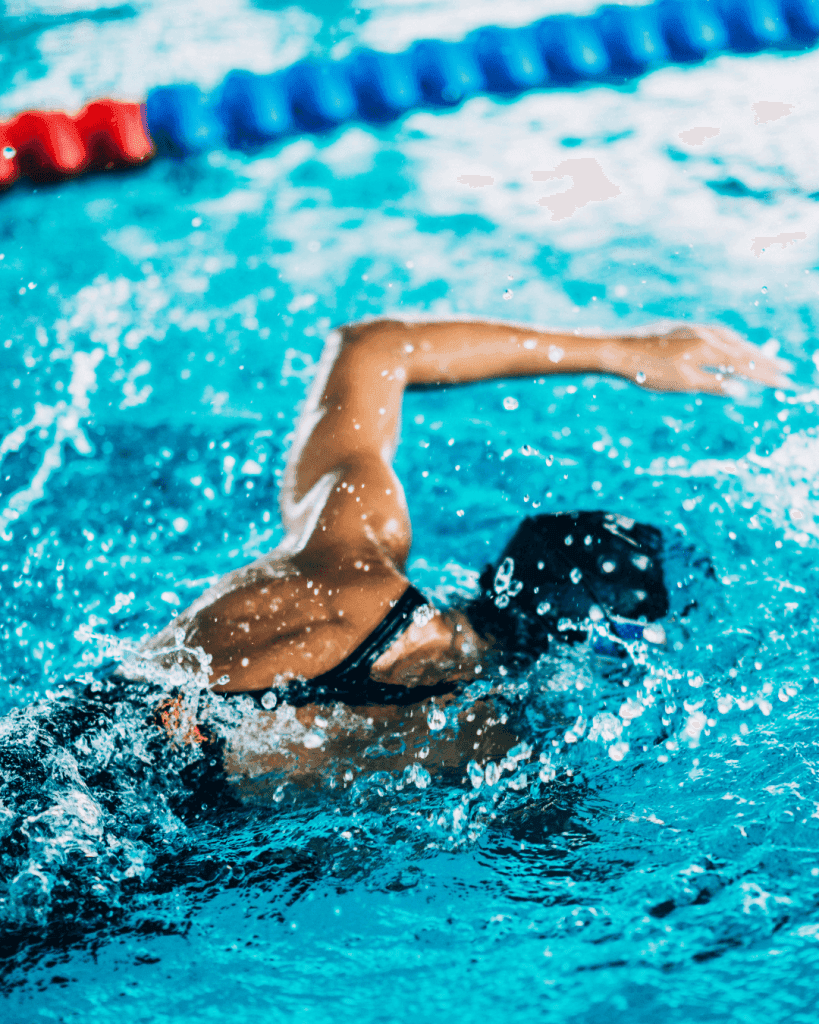
• Higher-level sport, heavy overhead lifting and competitive activities may take 9–12 months, depending on the size of the repair, your rehabilitation progress and your individual goals.
Remember, these are only general timeframes. Everyone’s recovery is different, and your rehabilitation should be based on how your shoulder is progressing rather than the calendar.
Your physiotherapist will assess your movement, strength, endurance and confidence before recommending a return to sport or the gym. They can also help you modify your training and gradually increase your workload, reducing the risk of overloading the healing tendon.
The goal isn’t simply to get you back to golf, tennis, swimming or the gym as quickly as possible—it is to help you return safely, confidently and with the best chance of enjoying those activities for many years to come.
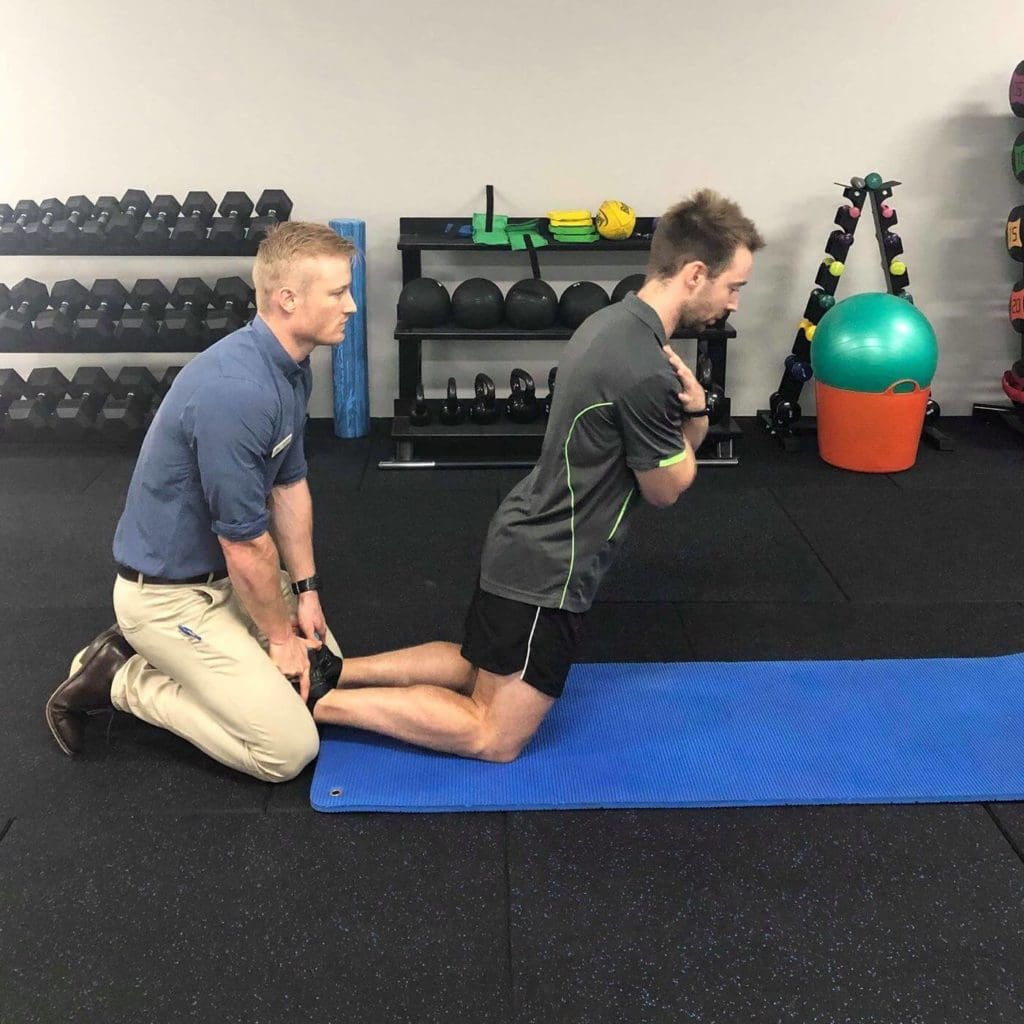
In our clinic we use functional dynamometry (which is a fancy way of saying that we test the strength of every movement and compare to the opposite side) which can help guide our rehab and planning for return to sport.
What is the most physically demanding job that you have rehabilitated a person back to following rotator cuff repair?
Probably two spring to mind as being really hard on the shoulder -Plastering and Tree lopping. Both have huge demands of the shoulder.
These patients have successfully returned to work, albeit with a lot of care and common sense because they aren’t 21 years old any more.
When can I return to driving?
I’ve written a whole blog on this – have a read here
Need Support Through Your Rotator Cuff Recovery?
Recovering from rotator cuff surgery is a marathon, not a sprint and having the right guidance can make all the difference.
At Midland Physiotherapy, our experienced physiotherapists work closely with your surgeon to guide you through every stage of recovery. From protecting your repair in the early weeks to rebuilding your strength and safely returning to work, sport and the activities you love, we’ll tailor your rehabilitation to your individual goals.
Using objective strength testing with functional dynamometry, we can accurately monitor your progress, compare your operated shoulder to your unaffected side, and help determine when you’re ready to safely progress your rehabilitation or return to higher-level activities.
If you’re preparing for rotator cuff surgery or are already on your recovery journey, we’d love to help. Book an appointment with our team today and let us guide you every step of the way.