Jaw Pain: Physiotherapy for the Most Used Joint in Your Body /by Sean Fuller, Musculoskeletal Physiotherapist
Your jaw is the most used joint in your body. You rely on it throughout the day to talk, chew, swallow, yawn, smile and express yourself. Because it works so often, pain or stiffness in the jaw can quickly affect everyday life.
The jaw joint is called the temporomandibular joint, or TMJ. It connects your lower jaw to your skull and allows your mouth to open, close and move from side to side.
When the joint or surrounding muscles are not working comfortably, you may experience:
- Pain while chewing
- Clicking, popping or grinding sounds
- A jaw that catches or locks
- Difficulty opening your mouth fully
- Facial pain or tenderness
- Headaches
- Tightness around your jaw, neck or shoulders
Jaw pain does not always have one simple cause. Teeth grinding, clenching, stress, posture, muscle tension and changes in your chewing habits can all contribute to TMJ problems. Symptoms may also begin after dental treatment, an injury or a particularly stressful period.
How can physiotherapy help?
Physiotherapy can help reduce your discomfort and restore smooth, confident jaw movement. Your physiotherapist will assess how your jaw opens and closes, examine the muscles around your face and neck, and identify other factors that may be contributing to your symptoms.
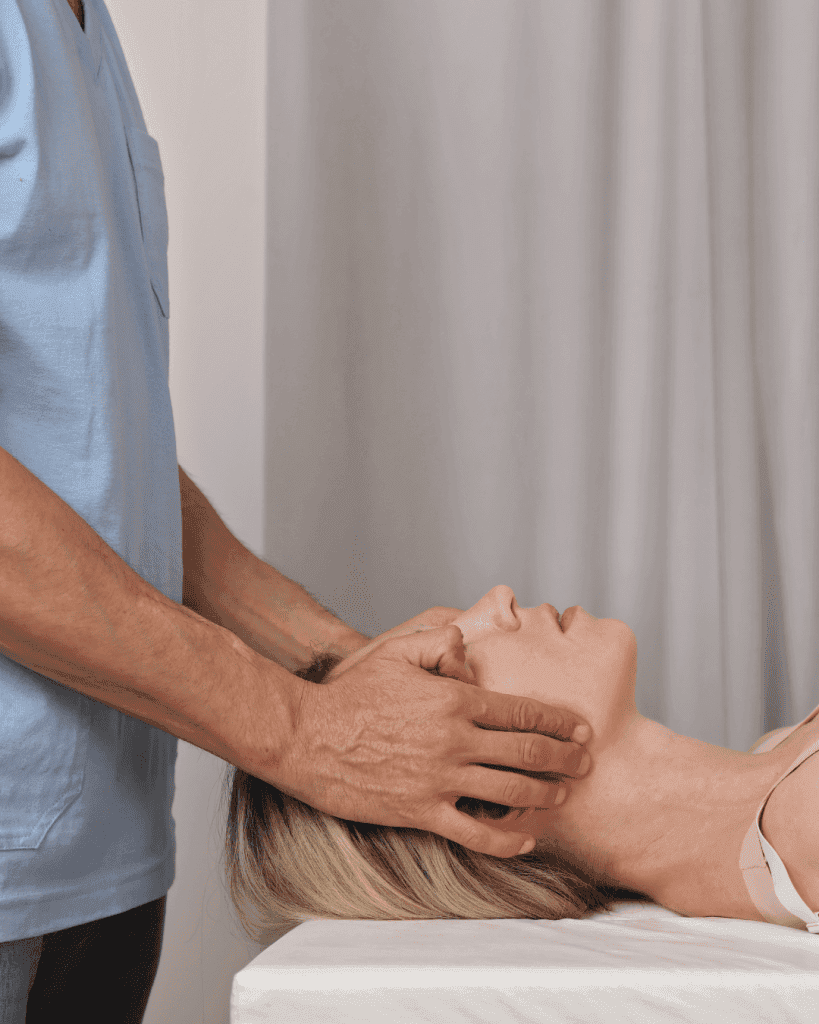
Your treatment may include:
- Gentle hands-on therapy for the jaw, face and neck
- Specific exercises to improve jaw control and movement
- Posture advice for your neck, shoulders and upper back
- Relaxation strategies to reduce clenching and muscle tension
- Advice about chewing habits and everyday jaw use
Your treatment plan will be tailored to your symptoms and goals. The aim is not only to reduce pain, but also to help you chew, speak, yawn and go about your day with greater comfort.
I have treated people with jaw pain for many years and enjoy helping them restore this very important function. Many people are surprised to discover that physiotherapy may help with TMJ symptoms, particularly when clicking, locking, headaches or pain with chewing have been present for some time.
You do not need to wait until your pain becomes severe or your jaw locks completely. Seeking help early can give you a clearer understanding of the problem and practical strategies to manage it.
If jaw pain, clicking or locking is affecting you, book an appointment with my colleagues and I at Midland Physiotherapy. We can assess your jaw and create a personalised treatment plan to help you move, eat and speak more comfortably.